What bankers look for in a business plan... and what you should expect when taking your business plan to a bank.
Be prepared. Many people misunderstand what the bank can and can´t do for you, and why. Before you get to the bank with the plan, here are some ways to prepare yourself and your business plan.
- As you develop your plan, set realistic assumptions about financing options. Bankers expect you to know the basics before you walk in their door: They can´t loan money just because they believe in your business plan because it´s against the law. Laws that protect depositors´ money prohibit banks risking that money on speculation. Banks are supposed to make loans to borrowers who pledge assets they´ll lose if they are unable to pay.
- Many entrepreneurs pledge personal assets to borrow money for their business. I´ve done this myself by taking out a second and even a third mortgage to get the business through hard times. Understand that if you do this, you risk losing your house, your savings, or whatever else you pledge.
- SBA loans are managed by local banks, most of the same banks you use every day. SBA loans are a special case in which a promising small business can borrow up to 70% of the money needed for small business. It takes a good business plan, and you have to find the other 30% yourself.
- There are at least two other ways to get a small business loan. You can use leasing to finance equipment purchases, and you can use a credit card to buy whatever you need at very high monthly interest rates.
- Expect to fill out bank loan applications whether or not the required information is in the business plan. Bank managers need to have the forms filled out and in place, business plan or not.
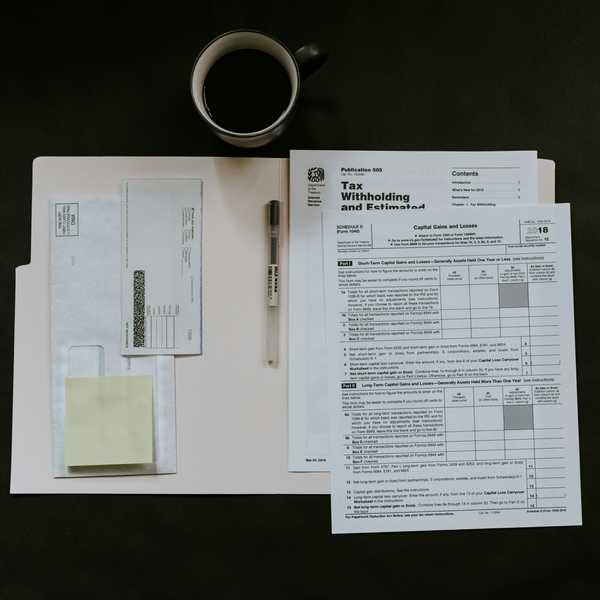
- The bank will ask for past tax returns to prove whatever information you fill in about your personal income or your company´s financials. You should be able to explain any discrepancies between your financials and your tax returns.
- Only the good loan managers will read and comment on your plan. Although a business plan is required for most business loans, there´s no guarantee that bankers will read those plans. Many are just filed away as a task completed. \
Obviously you should prepare a plan to be read and you can evaluate the bank by how well they read your plan. A bank that wants a relationship with you will read your plan because they want to know who you are and what you plan to do. Here are some things they are likely to look for:
- Your business background. You have more credibility if you´ve had experience in business and in the field you´re entering. The business plan should describe the management team with short biographies of main managers.
- Your financial projections. Bankers expect to see the three main statements — income, balance, and cash flow — projected monthly for the first year and annually for a couple years after that. Cash flow is most important.
- Realism in the financials. Bankers will compare your projections to industry reports showing average performance for different kinds of businesses. If you project margins way better than industry averages, you´d better be able to explain why and how you´re going to accomplish that. For example, if the average sporting goods store has a 33% gross margin, don´t show a banker a plan with a 70% margin.
- Local alignment in financials. That means that amounts have to logically match so that the amount you ask to borrow matches the financial gaps in your plan. For example, don´t try to show that you don´t need any money, because if you didn´t, you wouldn´t be borrowing. Don´t show that you need much more money than you can afford to borrow. Your cash flow should be realistic and it should show how much money you need and why you need it.
- A complete plan. While management team and financials are most important, a good banker will also expect to see a readable plan from executive summary through to the end. It should cover what you sell, your market, company background, and specific dates and activities.
So the business plan is a two-way test. Although almost all banks will require a plan, not all of them will really process the plan. Be grateful if they do. That means they are interested in your business and want to build a long-term relationship.