By Dan Manian
It’s been three years since the plunge into remote and hybrid work. In that time, it’s become clear that work-life balance and human connections are not just perks—they’re critical factors that contribute to employee performance and business success. But now more than ever, balancing flexible work with moments to connect on a human level can be challenging.
In the office, friendships and social connections were formed without much intention in spaces like the elevator, lunch room, and the watercooler. It can be more challenging, however, for distributed employees to form those serendipitous bonds when interactions are siloed to work-focused Zoom meetings.
Time spent together in real life (IRL) as a company, whether for coworking or social bonding retreats, can bridge these gaps. As we think about the future of work and strategies that will improve overall connections, collaboration, and business outcomes, it’s time that we reconsider the offsite.
True, the stereotypical image of an offsite has become a bit of a punchline, conjuring thoughts of trust falls or droning meetings. You may even think of grandiose trips to exotic locales that feel over the top. But there is another way. When done right, these retreats leave employees connected, reinvigorated, and energized.
The importance of intentional bonding time
When executed successfully, offsites provide more face-to-face relationship-building opportunities across teams. During the planning process, leaders may be tempted to pack schedules with as much content as possible. But it’s key to maintain balance and create space so that employees can connect spontaneously, on their own terms.
It can be helpful to group each offsite activity into one of three buckets. This ensures intentionality and balance throughout the event.
- Larger, objective-based meetings: These include all-company strategy meetings, fireside chats, or keynotes, giving leaders the opportunity to share a unified message with every employee. These should be used sparingly to avoid disengagement.
- Coworking in person: Small team sessions allow folks to be in the same room to brainstorm or execute on key projects. The opportunity to work on one goal synchronously can boost productivity and collaboration.
- Non-work time to connect: Social events, group activities, and intentional downtime help coworkers share experiences. Making time for employees to connect about things outside of work will create more ties across the organization.
Creating a mix of content for employees to participate in will spur moments of both planned and organic connection. This sets a strong foundation for helping employees build lasting friendships, which is crucial for improving retention, collaboration, and innovation.
Team involvement is key from end to end
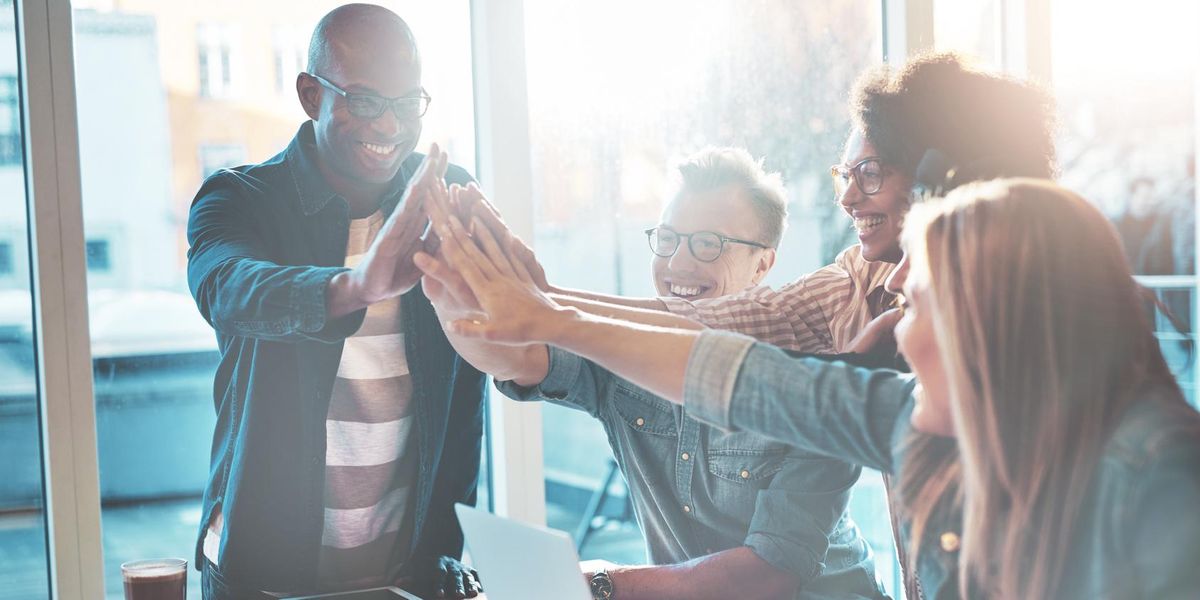
Offsites should create shared experiences for teams that don’t exist during a typical workday. Leadership should involve a wide range of employees in the planning process to ensure that the event will be effective for all. At my company, Donut, we created a “retreat planning committee” for our Q3 2022 offsite and opened participation to all team members. Not only did this help distribute the lift, it allowed us to source input from team members who otherwise might not have had a voice in the process.
Accessibility is also a key part of inclusion. Many employees are parents or caretakers, may be immunocompromised and restricted from traveling, or have other needs to accommodate when it comes to showing up IRL. To support all employees, it’s critical to center accessibility in your planning so that everyone can participate in one way or another.
At my company, we support our employees’ decisions when it comes to whether or not they can attend our offsites; these events are not mandatory and partial attendance is always welcome (e.g., to outdoor events only). We provide virtual-first experiences too (and send any necessary materials for activities) so that everyone on the team feels included in the magic.
Leveling up (while minimizing IRL fatigue)
Today’s workforce has grown accustomed to 30-minute Zoom meetings as their primary means of workplace interaction. After a few years away from the norm of in-person chats in the elevator or at the coffee machine, employees may not be used to spending large chunks of time socializing in person. And when they do, those repeated touchpoints are more draining than they remembered, a phenomenon we call “IRL fatigue.”
Counteracting IRL fatigue starts with building your offsite around purpose: who is invited to what, and why? Full-team, in-person meetings can be energy-sucking—and it can be difficult for people to keep engaging without a clear rallying point. In our experience hosting both DoCos (Donut’s company-wide coworking weeks) and social retreats, all-company presentations don’t necessarily need to be held during offsites. Instead, full-team sessions should be designed to help strengthen connections. Examples include discussing new DE&I initiatives, brainstorming creative solutions that affect everyone, or working together on yearly goals. You never want your employees to ask, “Why am I here?”
Breaking your company into smaller groups based on project or department allows even more time to foster connections between coworkers who frequently work together, but might not know each other well. At our most recent full-team retreat, we saved time on the first day for our customer and product, design, and engineering (PDE) teams to have separate in-depth sessions for one morning block.
Working against IRL fatigue and involving employees in the planning process will naturally help employees stay energized during offsites. Adopting a collaborative process assures that all who attend the event take value from it, which will pay dividends for the business in the long run.
Real talk about ROI
If you’ve ever planned an event, you already know that offsites require ample time, energy, and resources. The investment is worthwhile when the outcome results in deeper connections and improved morale. And in the long term, taking the time to host intentional offsite meetings will boost the things that make a business successful: collaboration, retention, and performance.
At the end of the day, offsites are about gathering humans who are working together on something bigger than themselves, in a way that’s not always possible without an occasional boost from IRL connection. After years of distributed work, it’s more important now than ever to get these gatherings right, centering community and prioritizing bonds that strengthen the entire company.
FAQS about offsites
Below we have summarized the most important questions and answers on the subject:
Why are offsite events important?
Offsite events provide the time and space for teams to connect face-to-face outside of normal day-to-day settings, on both work and non-work-related topics. This time is critical to establish the relationships that will enable successful collaboration, productivity, and efficiency across organizational silos.
What is the advantage of face-to-face team building?
Face to face provides a shared context and allows people to read non-verbal cues that contribute significantly to effective communication. This also allows for improved communication and understanding that can empower more organic, fluid conversations about both work and non-work-related topics.
What is IRL fatigue?
After the pandemic-driven switch to remote work, in-person interaction may be more draining than many remember. Workers aren’t used to being "always on" as in-person environments require. IRL fatigue describes a feeling that many employees are experiencing in this new shift back to in-person work.
About the Author
Post by: Dan Manian
After spending years working in product at fast-growing startups, Dan Manian cofounded Donut to help teams foster cultures of connectivity, collaboration, and belonging. When he’s not working on Donut, you can find him playing music for business with his band, Mobile Steam Unit, and teaching a lean startup course at Brown University.
Company: Donut
Website:
www.donut.com
Connect with me on
Twitter and LinkedIn.